
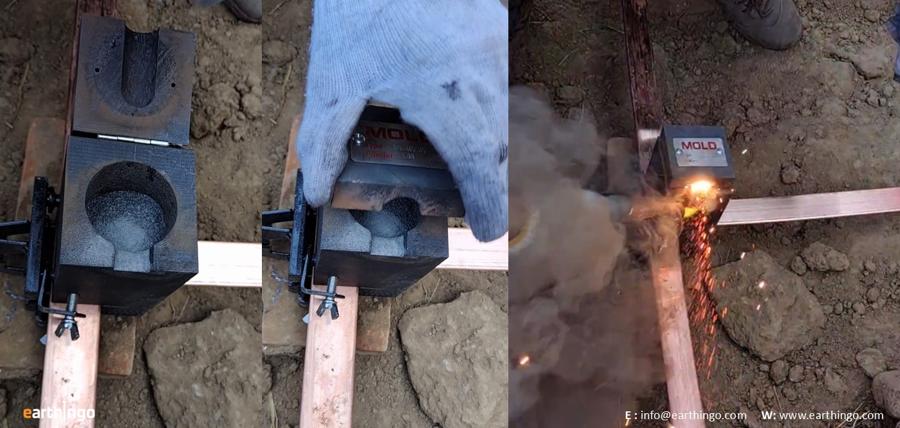
Exothermic welding fuses copper and steel conductors into a permanent metallurgical bond — no welding machine or external power supply, and no bolted clamp that can loosen underground. Once ignited with a spark, the thermite reaction itself provides the heat.
A properly made exothermic weld carries current equal to or greater than the conductors it joins, so grounding and lightning systems can stay electrically stable for decades when installed to specification.
This guide covers what the process is, how hot the reaction runs, how to follow a sound procedure, and how to specify a joint with safety and performance in mind.
Metallurgical bond & Permanent
No welding machine , No external power supply
Ignited with a spark , Thermite reaction
Hot , Current equal to or greater , Procedure , Safety , Performance , FAQ
Let’s discover more …
📝Contents
- [What Is Exothermic Welding?]
- [Reaction Science: Temperature, Heat & Time]
- [Exothermic Welding Process and Procedure]
- [Equipment and Kit Components]
- [Advantages vs Mechanical Connections]
- [Joint Types and Industrial Applications]
- [Safety, Hazards, and Field Controls]
- [Spec Checklist, Standards & Next Step]
- [FAQ]
⁉️What Is Exothermic Welding?
What is exothermic welding in practical terms? It is a portable fusion method.
It uses a self-sustaining chemical reaction—not an arc or torch—to melt and bond conductors inside a purpose-built graphite mold.
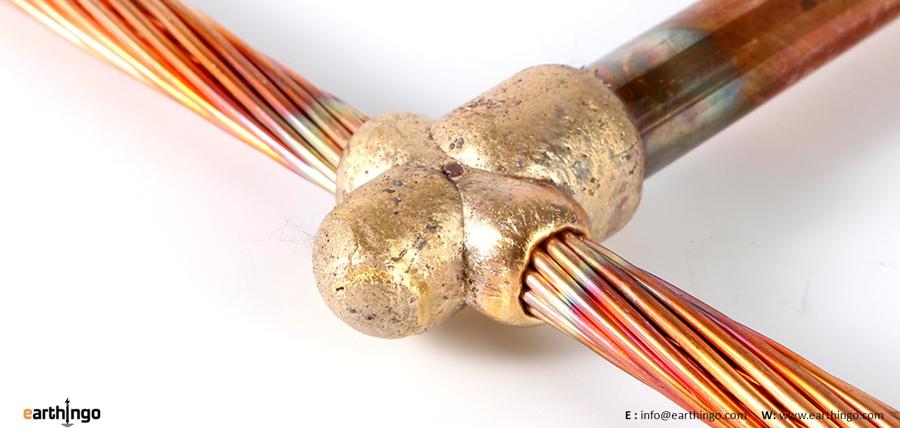
After cooling, the joint is a single metal mass with no separable contact faces.
That is why utilities and contractors specify it for permanent earthing where mechanical clamps often drift in resistance over time.
Thermite Welding, CAD Welding, and Cadweld Naming
You will also hear thermite welding, exothermic cad welding (or “CAD welding”), and the less common spelling exothermal welding.
In electrical grounding, these names usually point to the same copper-oxide and aluminum reaction used for earthing bonds.
“Cadweld” began as a brand name and is still used loosely in the field for the category.
Heavy iron thermite systems for rail joining follow similar chemistry with different oxides and molds—keep the powder and mold matched to the metal you are bonding.
✨Reaction Science: Temperature, Heat & Time
The working reaction reduces copper oxide with aluminum powder.
Heat of reaction (powder energy release) drives molten copper into the weld cavity while aluminum oxide slag floats and is removed after cooling.
Exact heat-of-reaction values depend on the manufacturer’s formulation, so always use the data sheet for the powder you buy — do not mix brands or guess charge size.
Peak Temperature and Reaction Duration
Typical exothermic welding temperature and reaction temperature land in the multi-thousand-degree range — commonly cited above about 2,500°C (about 4,500°F), with peak temperature high enough to melt copper and fuse the conductors.
The active reaction time is short: often only a few seconds of fusion, then roughly 10–20 seconds (or per mold instructions) before you open the mold.
Treat published peaks and durations as guidance; follow the kit sheet for your joint size.
➡️Exothermic Welding Process and Procedure
A reliable exothermic welding process is less about speed and more about dryness, cleanliness, and the correct charge.
A sound exothermic welding procedure looks like this:
- Clean conductors to bright metal;
- Dry the mold;
- Lock conductors in the cavity;
- Seat the steel disk if required;
- Load the measured weld metal;
- Apply starting powder or use the electronic cup;
- Ignite from a safe distance;
- Wait for solidification;
- Remove slag;
- Inspect.
Surface Prep, Mold Care, and Ignition Method
Strip insulation, brush off oxide and grease, and keep water out of the mold — moisture can cause steam splash and a porous joint.
Bake or torch-dry graphite molds when the job site is damp, scrape slag after every shot, and store molds dry.
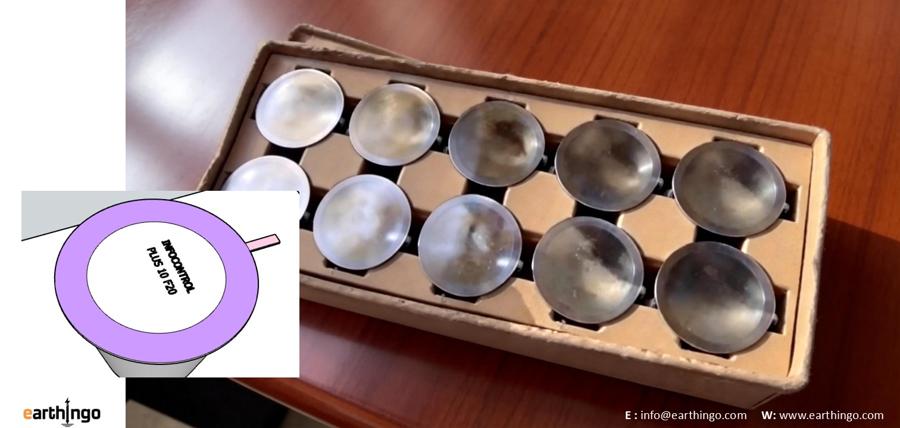
The exothermic welding ignition method is usually a flint igniter with starting powder, or an electronic ignition system that lights a sealed cup remotely — prefer the method your manufacturer qualifies for the site.
🧰Equipment and Kit Components
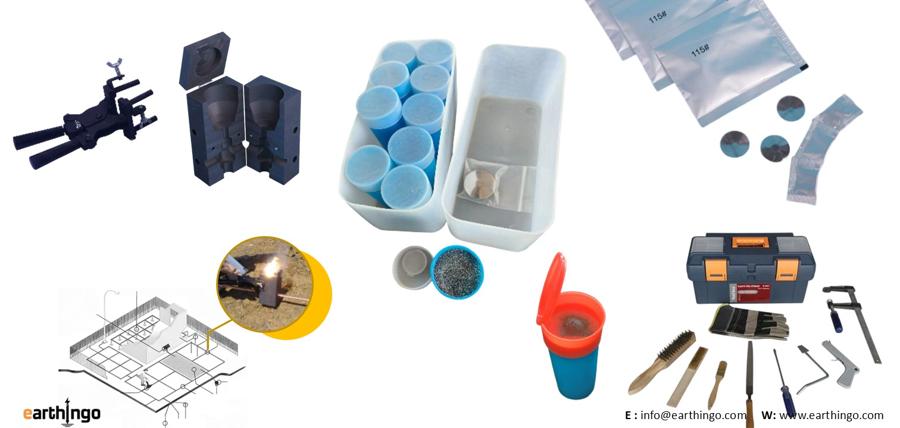
Field crews talk about an “exothermic welder,” but what you actually buy is a kit or system:
- Graphite molds (or ceramic one-shot molds);
- Handle clamps;
- Weld-metal powder or sealed cups;
- Ignition tools;
- Cleaning brushes;
- A slag scraper.
Add PPE and a fire blanket. Match mold geometry to the connection — cable-to-cable, cable-to-rod, cable-to-steel, and so on — so the exothermic welding joint fills completely.
🔍Advantages vs Mechanical Connections
The practical advantages of exothermic welding show up years after install.
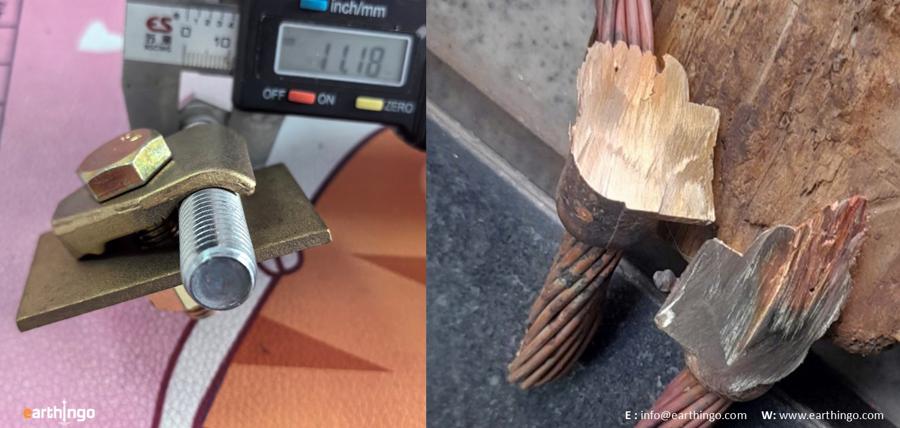
An exothermically welded bond does not rely on clamp pressure, so it resists loosening from vibration, thermal cycling, and buried moisture.
Conductivity stays close to the conductor; surge and fault current paths remain predictable.
Mechanical connectors are faster on day one, yet they often need re-torque and can rise in resistance as oxidation grows at the contact faces.
Lifecycle Cost in Brief
Per-joint material cost is usually higher than a compression lug.
Over a decade, though, zero re-torque visits and fewer resistance-related failures often favor the welded grid —especially on substations, lightning protection, and other assets where downtime is expensive.
👍Joint Types and Industrial Applications
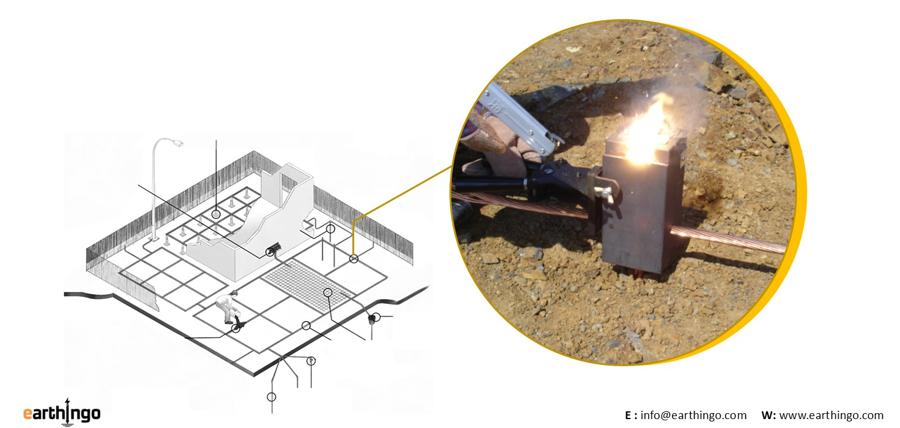
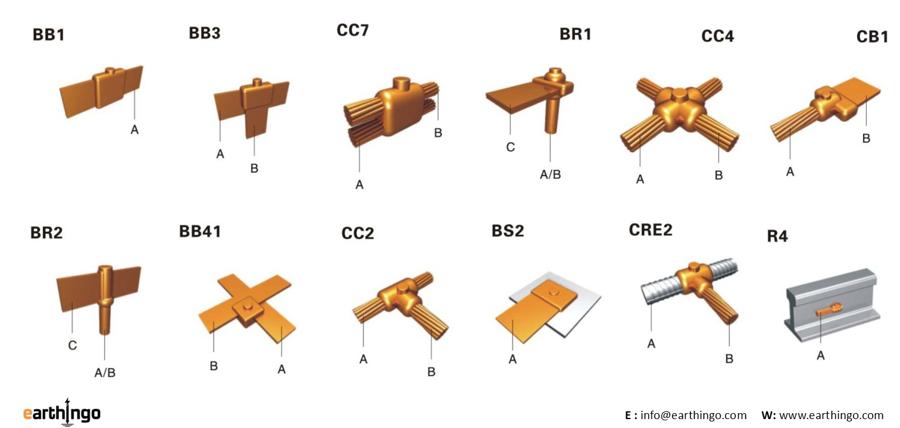
Common exothermic welding joints include parallel and tee cable bonds, cable-to-ground-rod, cable-to-busbar or tape, and cable-to-steel structures.
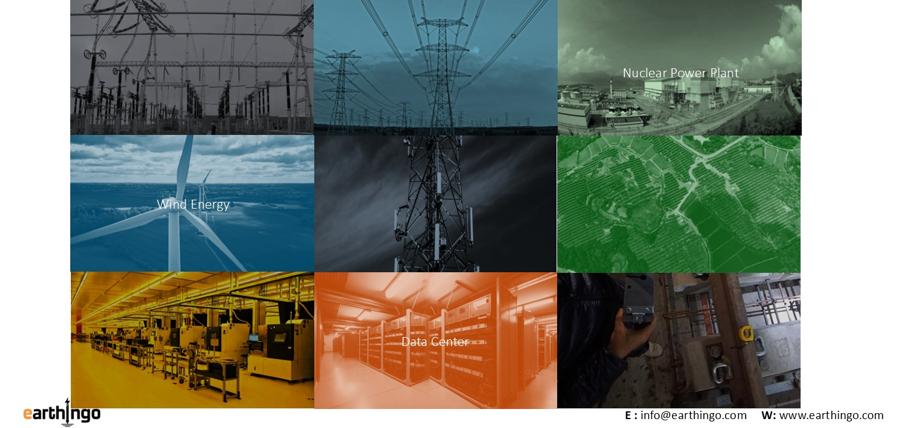
Exothermic welds serve grounding and lightning grids, rail and metro bonding, telecom towers, renewable plants, and industrial earthing.
Choose copper thermite systems for copper grounding work; reserve iron thermite processes for steel rail joining unless your supplier specifies otherwise.
👷♂️Safety, Hazards, and Field Controls
Exothermic welding safety starts with respecting molten metal and intense light.
Core hazards include flash, hot molds, slag splash, smoke, and steam if the mold is wet.
Work with heat-resistant gloves, face/eye protection, flame-resistant clothing, clear space around the mold, and ventilation when indoors. Keep flammables away and cool molds before handling.
Align field practice with OSHA-minded general industry controls—training, PPE, and manufacturer instructions —without treating this page as a substitute for your site’s written safety plan.
✅Spec Checklist, Standards & Next Step
Before you buy or bid, confirm:
- Conductor sizes and metals;
- Joint geometry;
- Powder charge and ignition type;
- Mold reuse rating and drying rules;
- Inspection criteria (full fill, minimal porosity, conductor integrity);
And project references such as IEEE 837 and UL 467 where required. Then request mold charts, SDS sheets, and installer guidance for the exothermic welding system you will standardize on.
Ready to specify permanent earthing bonds? Request specs, a mold recommendation, or a kit quote for your conductor sizes—and ask for the procedure video or training options that match your crew.
Author : Lucas Lyu / Product Manager & Marketing
🤔FAQ
**Do I need exothermic welding certification?**
Projects often require connections that meet standards such as IEEE 837 or UL 467 for the product system—not a generic “internet certificate.” Operator competence usually comes from manufacturer or authorized installer training. Follow the owner’s specification and your supplier’s qualified process.
**Where can I get exothermic welding training?**
Use factory or authorized training for mold selection, ignition, and inspection. Contact us (or your regional distributor) to arrange a session for your crew.
**Is there an exothermic welding video for the procedure?**
Yes—prefer the manufacturer’s install video for your exact kit. Request a procedure video with your quote so crews see the same steps they will run on site.