
Products / Exothermic Welding Molds /
Exothermic Welding Molds for Cable-to-Cable Connections: CC1, CC2, CC4, CC6, CC7, CC11 & CC14
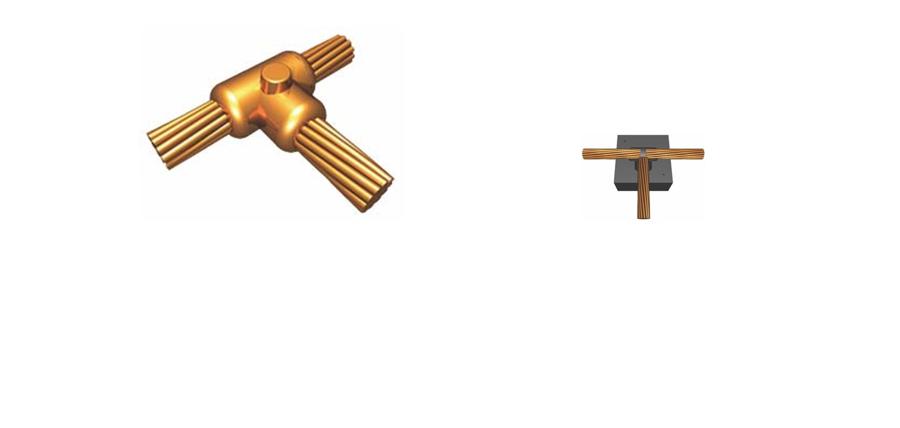
Cable-to-cable exothermic welding molds are purpose-built graphite molds for joining stranded copper cables with a permanent molecular bond.
Unlike mechanical clamps, compression sleeves, or bolted joints, an exothermic cable-to-cable weld creates a low-resistance, corrosion-resistant connection that does not loosen under thermal cycling or fault current.
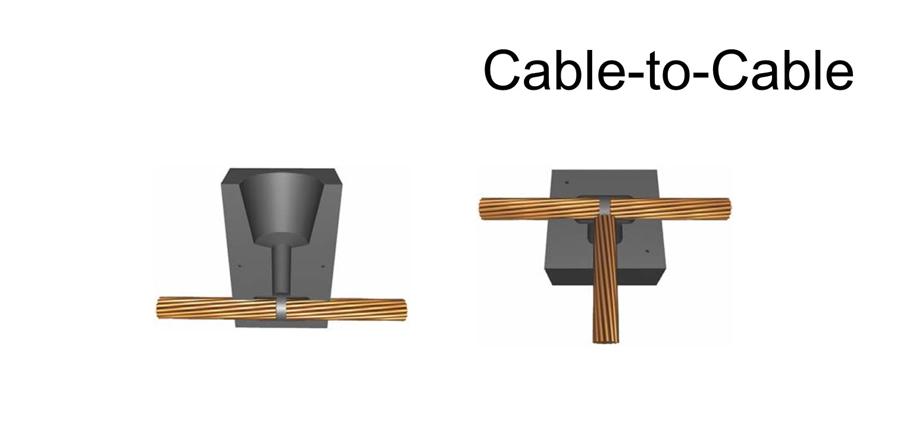
If you are sourcing exothermic welding molds Cable-to-Cable CC1, CC2, CC4, CC6, CC7, CC11, CC14, this category covers the standard connection styles.
- CC Models
- Applications
- Select a model
- Design & production intro (view videos page)
- Request a quote or spec sheet
Cable-to-Cable Connections
This range focuses on commonly requested Cable-to-Cable mold codes:
- CC1 / CC2 — compact cable-to-cable joints for lighter grounding conductors and smaller splices
- CC4 / CC6 / CC7 — mid-range connections for standard copper cable sizes in earthing grids and equipment bonding
- CC11 / CC14 — heavier cable sections and higher-capacity joints where weld volume and mold cavity size must match larger conductors
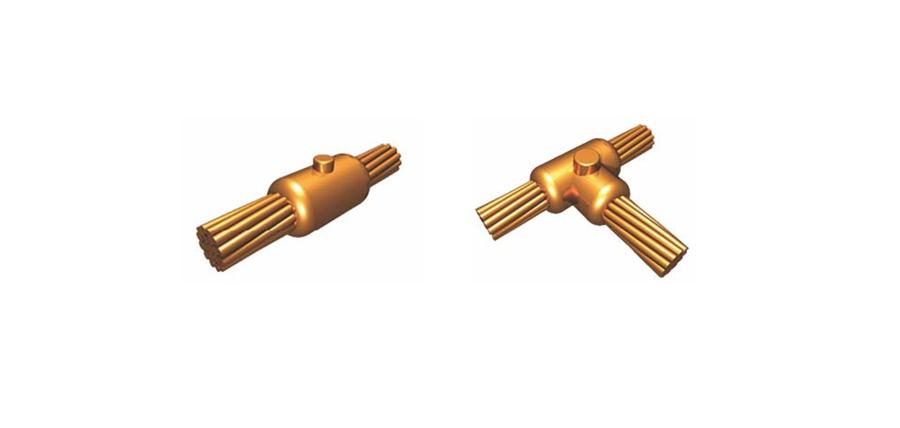
Exact mold selection depends on cable cross-section, number of conductors, and joint type. Share your conductor dimensions and connection sketch, and we will confirm the correct CC mold, welding powder charge, and handle/frame accessories.
Watch a video : 3 benefits for you to use our molds.
Applications
CC cable-to-cable molds are widely specified for:
- Copper grounding grid and mesh cable splices
- Substation and earthing cable extensions
- Lightning protection down-conductor and equipotential bonding cable joints
- Industrial plant and rail grounding where compression or bolted splices are not preferred
Because the finished weld is permanent, these molds are preferred on projects that prioritize long-term electrical continuity and reduced maintenance.
Choose
To choose among CC1, CC2, CC4, CC6, CC7, CC11, and CC14, confirm:
- Conductor size — cable mm² (or AWG) for each run
- Joint orientation — straight splice, tee, parallel, or multi-cable layout
- Powder size — matched weld metal volume for a complete fill
Using the wrong cavity size is the most common cause of incomplete welds. If your cable size sits between two codes, request a size chart before ordering.
People also ask
- How we design and manufacture the molds ? > Watch video
- How our exothermic welding powder works with the molds? > Watch video
Request a quote
Send your conductor sizes, quantity, and destination port.
We can provide mold recommendations, powder pairing, and a formal quotation for contractors, distributors, and grounding system integrators.
Lucas
Product Manager & Marketing
EarthinGo Team